In a world that often feels overwhelmingly busy and cluttered, many people are turning to minimalism as a way to simplify their lives and create a sense of calm. Minimalism is more than just an aesthetic choice; it’s a lifestyle that prioritizes intentionality and mindfulness in everything we own and do. A minimalist living room is a perfect place to start this transformation. By embracing clean lines, functional furniture, and a neutral color palette, you can create a space that not only looks beautiful but also enhances your well-being.
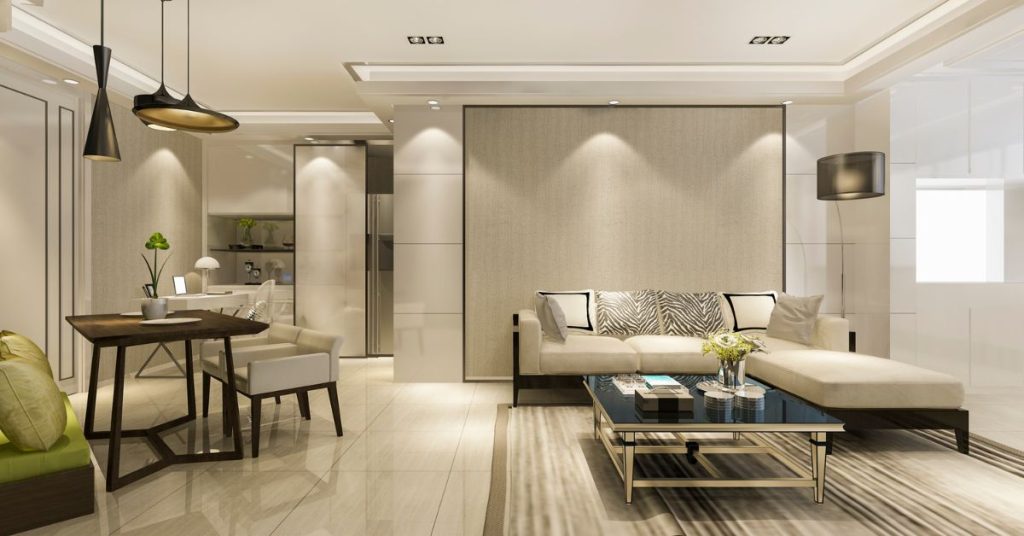
Imagine walking into your living room and feeling an immediate sense of peace. No more piles of unnecessary items, no more chaotic decor, just a serene environment where every item has a purpose. This is the essence of a minimalist living room. Whether you’re looking to completely overhaul your current space or simply make a few impactful changes, this guide will provide you with ten practical and inspiring ideas to help you achieve a minimalist living room that reflects your personal style while fostering a sense of tranquility.
1: Neutral Color Palette
A neutral color palette is the foundation of a minimalist living room. Colors like white, beige, and gray create a calm and serene atmosphere that allows you to relax and unwind. Neutral tones are versatile and timeless, making them an excellent choice for creating a space that feels both modern and classic.
Importance of Neutral Colors:
- Psychological Effects: Neutral colors have a calming effect on the mind, reducing stress and promoting relaxation. They create a backdrop that allows other elements in the room to shine without overwhelming the senses.
- Versatility: A neutral palette provides a versatile canvas that can be easily updated with different accent colors and textures as your tastes evolve.
Choosing the Right Shades:
- White: Pure white can make a room feel airy and spacious, but it can also feel stark if overused. Consider warmer whites or off-whites for a more inviting feel.
- Beige: Beige tones add warmth without compromising the minimalist aesthetic. They pair well with natural materials like wood and stone.
- Gray: Gray is sophisticated and modern. Light grays can brighten a space, while darker grays add depth and drama.
2: Functional Furniture
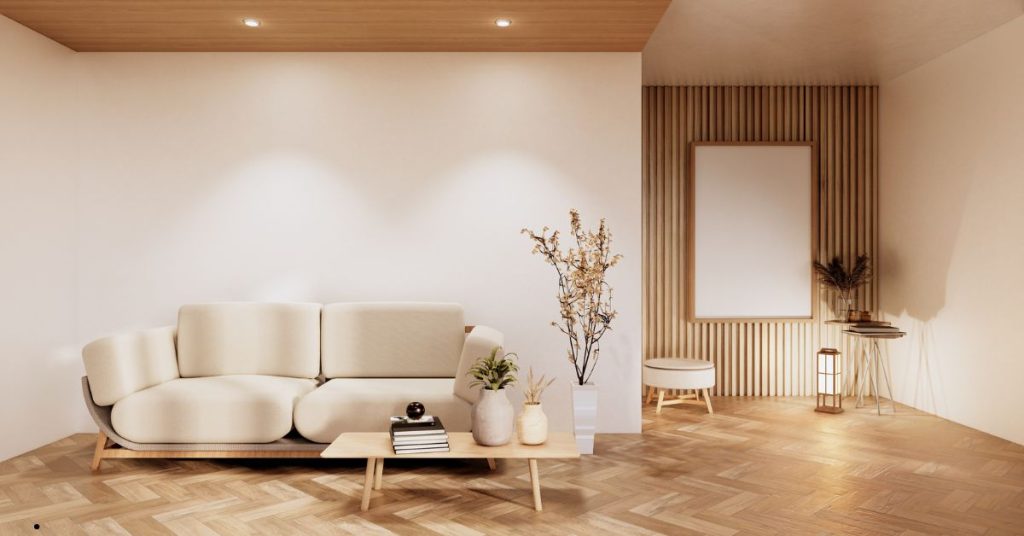
Minimalist living rooms prioritize function without sacrificing style. Choosing the right furniture is crucial to achieving this balance. Look for pieces that are simple, clean-lined, and multifunctional.
Selecting Minimalist Furniture:
- Sofas: Opt for sofas with simple designs and neutral upholstery. Sectional sofas can provide ample seating without taking up too much space.
- Coffee Tables: Choose coffee tables with clean lines and storage options. Nesting tables are a great option for flexibility and space-saving.
- Storage Solutions: Built-in shelves, wall-mounted cabinets, and minimalist media units keep clutter at bay while maintaining a sleek look.
Quality Over Quantity:
- Durable Pieces: Invest in high-quality furniture that will last for years. Well-made pieces not only look better but also stand up to daily use.
- Comfort and Functionality: Ensure that your furniture is comfortable and serves a practical purpose. Avoid overstuffed or overly ornate pieces that can detract from the minimalist aesthetic.
3: Declutter and Organize
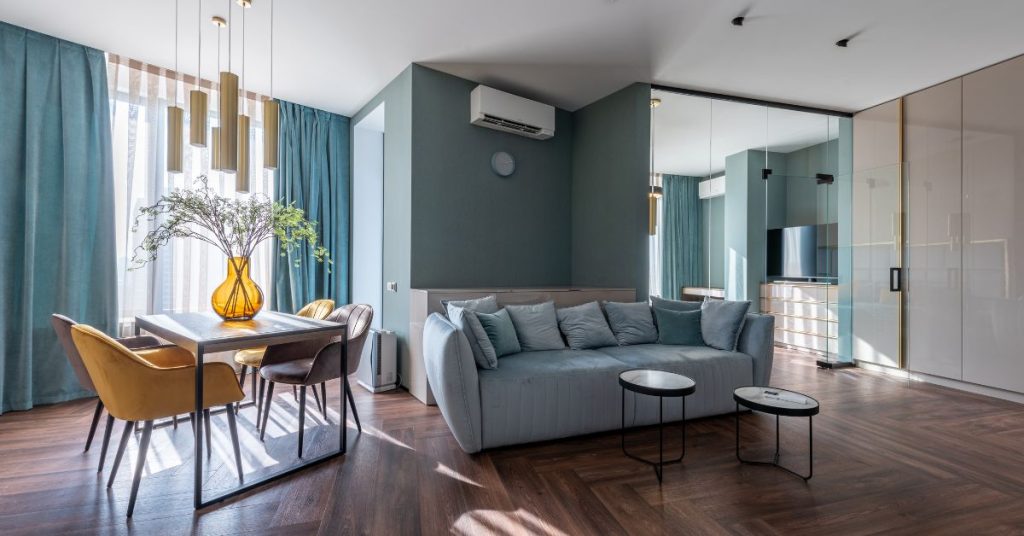
A minimalist living room cannot be achieved without a commitment to decluttering and organizing. This process involves letting go of unnecessary items and finding smart storage solutions for the essentials.
The Decluttering Process:
- Assess: Take stock of everything in your living room. Identify items that you no longer use or love.
- Sort: Divide items into categories: keep, donate, recycle, and discard.
- Eliminate: Be ruthless in your decluttering. Keep only what adds value to your life.
Smart Storage Solutions:
- Hidden Storage: Utilize furniture with hidden storage compartments, such as ottomans, coffee tables with lift tops, and sofas with built-in storage.
- Organizing Tips: Use baskets, bins, and trays to keep items organized and out of sight. Label containers to easily find what you need without creating a mess.
4: Natural Light
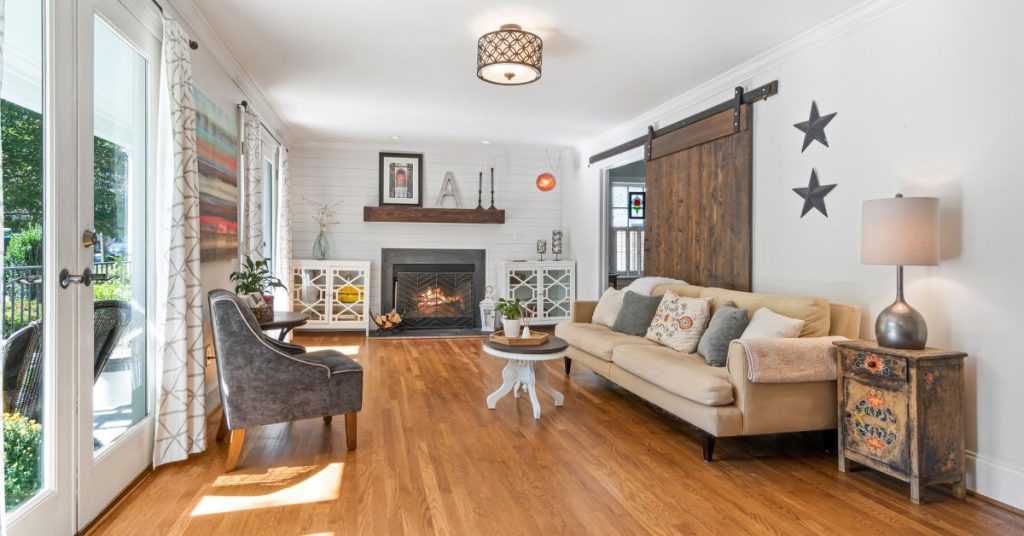
Natural light is a key element in minimalist design. It enhances the simplicity and beauty of the space, making it feel open and inviting.
Maximizing Natural Light:
- Window Treatments: Use sheer curtains or blinds that allow light to filter through while providing privacy. Avoid heavy drapes that can block light and add visual clutter.
- Mirrors: Strategically place mirrors to reflect light and make the room feel larger. Position them opposite windows for maximum effect.
- Light Colors: Light-colored walls, ceilings, and furniture reflect natural light, brightening the space and creating a sense of openness.
Artificial Lighting Options:
- Minimalist Fixtures: Choose light fixtures with clean lines and simple designs. Pendant lights, floor lamps, and wall sconces can add both functionality and style.
- Layering Lighting: Combine different types of lighting, such as ambient, task, and accent lighting, to create a warm and inviting atmosphere.
5: Minimalist Art and Decor
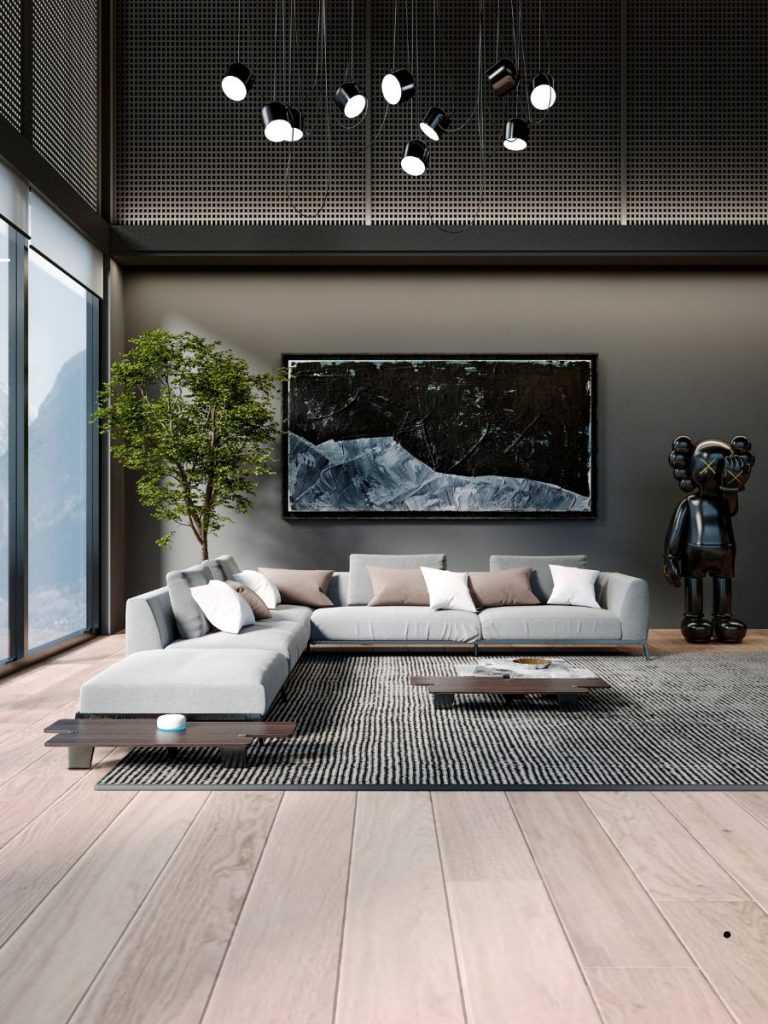
Art and decor play a crucial role in personalizing a minimalist living room. The key is to choose pieces that are meaningful and align with the minimalist aesthetic.
Selecting Minimalist Art:
- Characteristics: Minimalist art often features simple lines, monochromatic palettes, and geometric shapes. Look for pieces that evoke a sense of calm and order.
- Arrangement: Display art sparingly to avoid visual clutter. Consider a single large piece or a small collection of related works.
Incorporating Decor Thoughtfully:
- Statement Pieces: Choose a few statement pieces that reflect your personal style. This could be a sculptural vase, a unique coffee table book, or a beautifully crafted lamp.
- Texture and Materials: Add interest to your decor with different textures and materials. Think of natural materials like wood, stone, and linen to add warmth and depth.
6: Indoor Plants
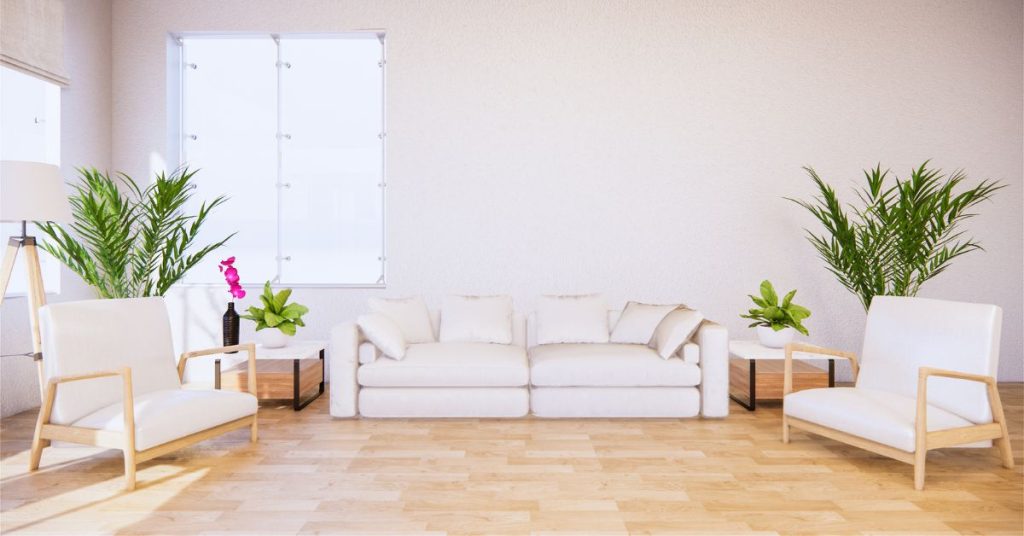
Indoor plants are a wonderful addition to a minimalist living room. They bring life, color, and a touch of nature into your home.
Benefits of Indoor Plants:
- Air Purification: Many indoor plants help purify the air by removing toxins and releasing oxygen.
- Stress Reduction: The presence of plants can reduce stress and improve mood. They create a sense of tranquility and connection to nature.
Choosing the Right Plants:
- Low-Maintenance Options: Consider plants like snake plants, succulents, and ZZ plants, which require minimal care and thrive in various conditions.
- Styling Tips: Group plants together for a lush, cohesive look. Use simple, unadorned planters that complement the minimalist aesthetic.
7: Minimalist Textiles
Textiles add warmth and comfort to a minimalist living room. The key is to choose fabrics that are simple and natural.
Choosing Textiles:
- Natural Fibers: Opt for natural fibers like cotton, linen, and wool. These materials are breathable, durable, and align with the minimalist ethos.
- Solid Colors: Stick to solid colors or subtle patterns. Avoid overly busy prints that can disrupt the calm atmosphere.
Incorporating Textiles Thoughtfully:
- Rugs: A simple, solid-colored rug can anchor the room and add warmth. Consider natural fiber rugs like jute or wool.
- Throws and Cushions: Use throws and cushions to add comfort without cluttering the space. Choose items that are soft and cozy, yet understated.
8: Open Space and Flow
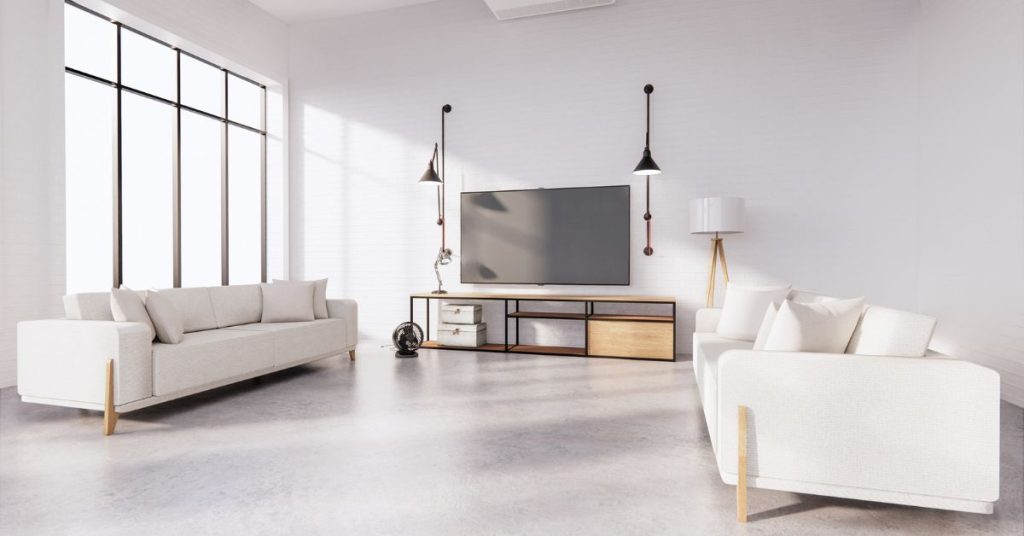
Creating open space and ensuring good flow are essential to a minimalist living room. This involves thoughtful furniture arrangement and maintaining a sense of spaciousness.
Creating Open Space:
- Negative Space: Embrace negative space, which is the empty space around furniture and decor. This helps to create a sense of balance and calm.
- Furniture Arrangement: Arrange furniture to promote ease of movement and interaction. Avoid overcrowding the space with too many pieces.
Zoning and Functionality:
- Defining Areas: Use rugs, furniture placement, and lighting to define different zones within the living room, such as a seating area and a reading nook.
- Purposeful Design: Ensure that each zone serves a specific purpose without adding unnecessary items. Focus on functionality and simplicity.
9: Technology Integration
In a minimalist living room, technology should be seamlessly integrated without disrupting the clean aesthetic.
Hiding Cables and Devices:
- Concealment Solutions: Use cable management systems, wall-mounted TV brackets, and built-in outlets to hide wires and devices.
- Minimalist Media Units: Choose media units with clean lines and hidden storage for electronics. Look for units that can also house books, games, and other items.
Choosing Minimalist Tech:
- Sleek Designs: Opt for technology with sleek, modern designs. Flat-screen TVs, wireless speakers, and minimalist smart home devices can blend seamlessly into the space.
- Seamless Integration: Integrate technology in a way that complements the overall design. Consider built-in speakers, recessed lighting, and smart home controls.
10: Personal Touches
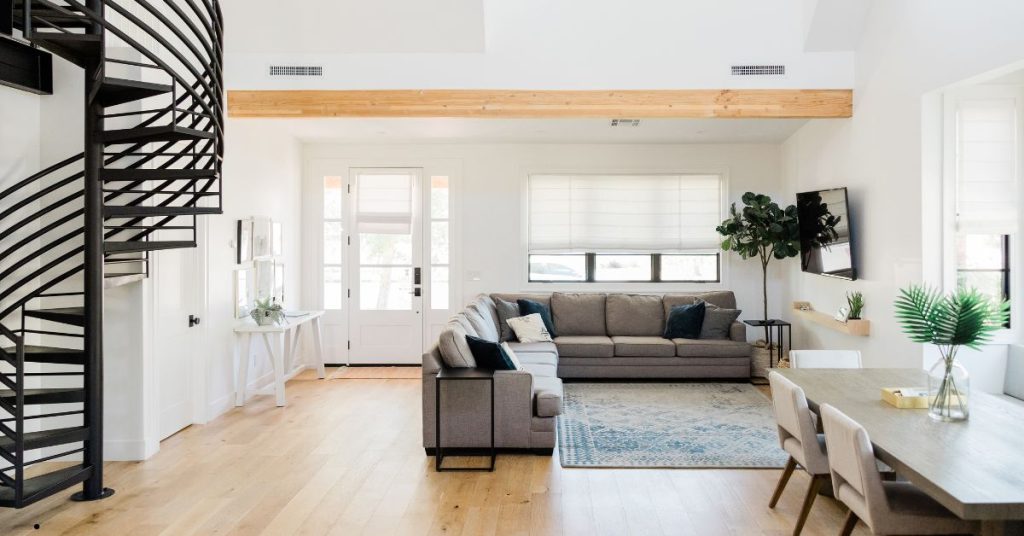
While minimalism emphasizes simplicity, it’s important to add personal touches that make the space feel like home.
Adding Personality:
- Balance: Strike a balance between minimalism and personal style. Incorporate items that reflect your personality and interests.
- Meaningful Pieces: Choose meaningful items that bring you joy. This could be a family heirloom, a piece of art, or a travel souvenir.
Maintaining Minimalism:
- Mindful Purchasing: Be mindful of what you bring into your home. Choose items that serve a purpose and align with your minimalist goals.
- Regular Decluttering: Continuously evaluate your space and declutter regularly to maintain the minimalist aesthetic. This ensures that your living room remains a peaceful and organized sanctuary.
Conclusion
Creating a minimalist living room is a journey towards a simpler, more intentional way of living. By embracing neutral colors, functional furniture, and thoughtful decor, you can transform your living space into a serene retreat that reflects your personal style and enhances your well-being. Remember, minimalism is not about depriving yourself of things you love, but rather about curating a space that supports a peaceful and fulfilling life.
As you implement these ten minimalist living room ideas, you’ll discover the joy of living with less and the freedom that comes with a clutter-free environment. Your living room will not only look beautiful but will also become a sanctuary where you can relax, recharge, and connect with what truly matters. So, take the first step towards minimalism and start creating your dream living room today.