You load your laundry, add detergent, hit start—and instead of fresh, clean-smelling clothes, you’re hit with a nasty odor. If that sounds familiar, you’re not alone. A smelly washing machine isn’t just annoying—it can transfer odors to your laundry and affect your entire laundry room.

If you’ve ever experienced the mystery of a smelly washing machine, you know it’s more than just an inconvenience; it’s a frustrating problem that can linger in your clothes and your home. In this guide, we’ll break down why your washing machine stinks, how to prevent it, and the most effective (natural) ways to clean it. Let’s get into it.
Common Causes of a Smelly Washing Machine
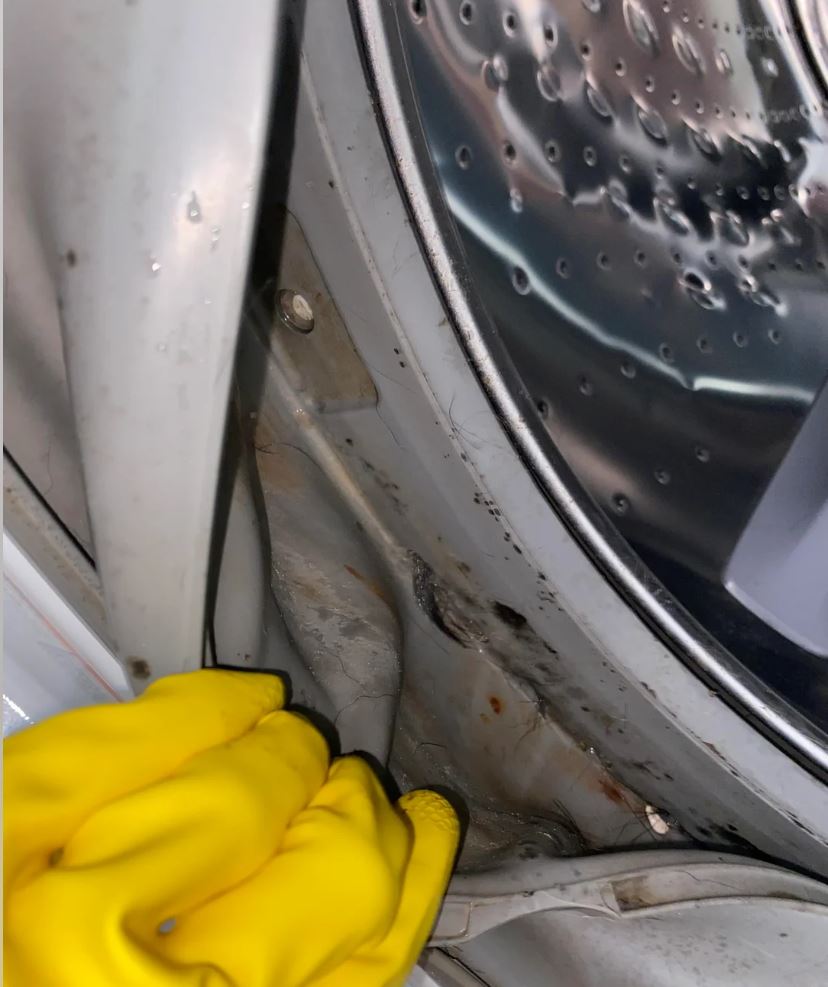
A smelly washing machine is typically caused by bacteria, mold, and mildew growing in moist, dirty, or poorly ventilated areas. Here are the biggest culprits:
- Moisture Buildup:
- Front-load washers are especially prone to trapped moisture around the door seal.
- Keeping the washer closed between cycles creates a breeding ground for mold.
- Detergent and Fabric Softener Residue
- Using too much detergent or non-HE detergent causes sticky buildup.
- Residue feeds odor-causing bacteria and clogs key areas like dispensers and hoses.
- Lack of Ventilation:
- Proper ventilation is essential for allowing moisture to escape and preventing the buildup of humidity inside the washing machine.
- However, if the appliance is located in a poorly ventilated area or if the ventilation system is obstructed, moisture can linger, creating an environment conducive to odor development.
- Low-Temperature Washes:
- Cold water doesn’t kill bacteria effectively.
- Over time, this allows buildup to grow unchecked.
- Infrequent Cleaning:
- A washing machine needs to be cleaned monthly—especially if it’s heavily used.
How to Prevent Washing Machine Odors
Prevention is easier (and cheaper) than fixing. Here are smart habits that keep your washer fresh:
- Leave the Door Open!
- After every load, prop open the washer door and detergent drawer.
- Letting air circulate prevents trapped moisture.
- If your washing machine is located in a confined space, consider installing a ventilation fan or dehumidifier to reduce humidity levels.
- Use the Right Detergent:
- Use the appropriate amount of detergent according to the manufacturer’s guidelines. Overuse of detergent can lead to residue buildup, contributing to odors.
- Consider using high-efficiency (HE) detergent, especially if you have a high-efficiency washing machine. HE detergents are formulated to produce fewer suds, reducing the likelihood of residue buildup.
- Regular Cleaning and Maintenance:
- Clean the washing machine’s drum, door seal, and detergent dispenser regularly to remove accumulated residue and debris.
- Wipe down the rubber gasket around the door after each use to prevent moisture and residue buildup.
- Run a maintenance wash with hot water and vinegar or a specialized washing machine cleaner at least once a month to disinfect the appliance and eliminate odor-causing bacteria.
- Use Hot Water Washes:
- Periodically run hot water wash cycles to help dissolve detergent residue and kill bacteria.
- Hot water can effectively sanitize the washing machine and prevent mold and mildew growth in hard-to-reach areas.
- Inspect and Maintain Seals and Hoses:
- Regularly inspect the rubber seals and hoses for signs of wear, cracks, or leaks. Replace any damaged components promptly to prevent water leakage and mold growth.
- Clean the lint filter regularly to prevent clogs and ensure proper drainage during the wash cycle.
- Empty Pockets and Check Garments:
- Empty pockets before loading clothes into the washing machine to prevent debris buildup and potential odor transfer.
- Check garments for stains or soiled areas before washing to avoid introducing dirt and bacteria into the appliance.
Best Way to Clean a Washing Machine Naturally
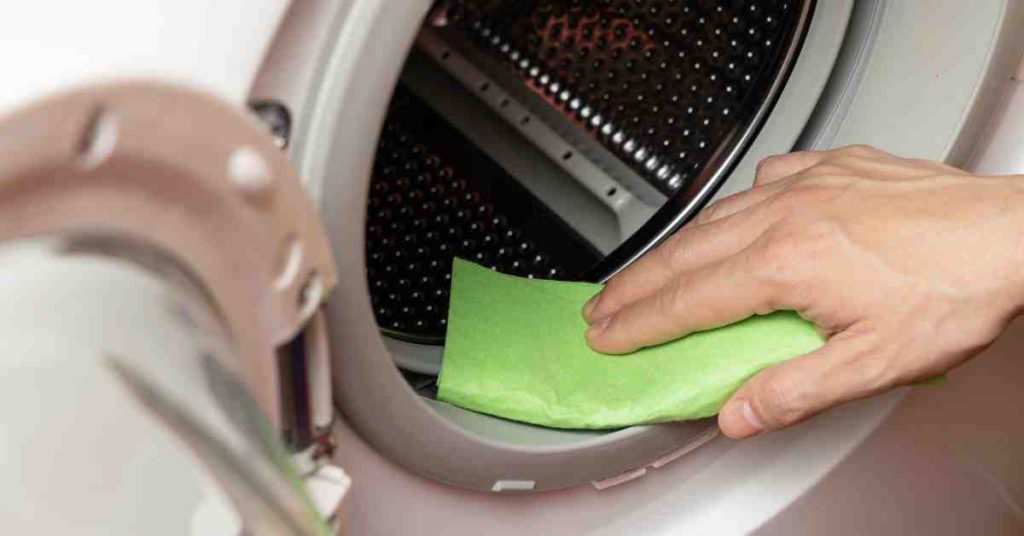
Cleaning a washing machine thoroughly is essential for removing built-up residue, eliminating odors, and maintaining optimal performance. Here’s the best method to clean a washing machine effectively:
- Gather Supplies:
- White vinegar
- Baking soda
- Microfiber cloth or sponge
- Old toothbrush or soft brush
- Hot water
- Prepare the Washing Machine:
- Empty the washing machine drum of any laundry or items.
- Remove the detergent dispenser drawer, lint filter (if applicable), and any removable parts that need cleaning.
- Clean the Rubber Door Seal (Gasket):
- Inspect the rubber door seal for mold, mildew, or debris accumulation.
- Mix equal parts white vinegar and water in a spray bottle.
- Spray the solution onto the rubber seal and wipe it thoroughly with a microfiber cloth or sponge.
- Use an old toothbrush or soft brush to scrub along the folds and crevices of the seal to remove stubborn residue.
- Clean the Detergent Dispenser and Filters:
- Soak the detergent dispenser drawer in a mixture of warm, soapy water to loosen any detergent residue.
- Scrub the dispenser drawer with a brush to remove stubborn buildup.
- Rinse the dispenser drawer thoroughly with water and allow it to dry completely before reinstalling.
- Run a Cleaning Cycle with Vinegar:
- Pour two cups of white vinegar into the washing machine drum.
- Set the washing machine to the hottest water temperature setting and the longest wash cycle.
- Start the wash cycle and allow the vinegar to circulate throughout the machine.
- The acidic properties of vinegar will help dissolve mineral deposits, detergent residue, and kill odor-causing bacteria.
- Add Baking Soda for Extra Cleaning:
- After the vinegar wash cycle is complete, sprinkle one cup of baking soda into the washing machine drum.
- Set the washing machine to another hot water wash cycle and run it for a second time.
- Baking soda helps neutralize odors and further cleans and deodorizes the washing machine.
- Clean the Drum and Interior Surfaces:
- Once the cleaning cycles are complete, use a sponge or cloth soaked in warm, soapy water to clean the interior surfaces of the washing machine drum.
- Pay particular attention to any visible stains, mold, or mildew growth, and scrub them thoroughly to remove stubborn residue.
- Rinse and Dry Thoroughly:
- Run an additional rinse cycle to flush out any remaining vinegar, baking soda, or soap residue.
- Wipe down the interior surfaces of the washing machine drum, door, and rubber seal with a clean, dry cloth to remove excess moisture.
- Leave the washing machine door open for several hours, or overnight, to allow air circulation and complete drying.
- Reassemble and Maintain:
- Reinstall the detergent dispenser drawer, lint filter, and any removable parts.
- Implement a regular cleaning and maintenance schedule to prevent future odor issues and keep the washing machine clean and odor-free.
Final Thoughts
A smelly washing machine isn’t permanent—and it doesn’t mean your appliance is broken. By following a few smart maintenance habits and deep-cleaning it naturally once a month, you’ll keep your washer (and laundry) smelling clean and fresh.