


Plumbing problems can strike at any time, and knowing how to handle them yourself can save you time, money, and stress. Whether you’re settling into your first home or managing a decades-old property, this guide covers five essential plumbing skills every homeowner should master. From stopping leaks to unclogging drains the eco-friendly way.
1. Know How to Shut Off Your Water Supply

Before fixing any plumbing issue, the first step is always the same: shut off the water.
Imagine a burst pipe or a leaky faucet – knowing how to stop the flow of water is the first step in preventing extensive damage. This section will guide you through locating your main shutoff valve, understanding secondary valves, and individual fixture shutoffs. Knowing when and how to turn off the water supply can be the difference between a minor inconvenience and a major catastrophe.
Understanding Your Water Supply System:
Before delving into shutting off the water, it’s crucial to understand the layout of your home’s water supply system. Most homes have a main shutoff valve that controls the entire water supply to the house. This valve is often located near the outdoor water meter.
How to Locate Shutoff Valves:
- Main Shutoff Valve: Usually near the water meter outside your home or in the basement.
- Fixture-Specific Valves: Found under sinks and behind toilets: great for isolating minor issues.
- Pro Tip: Turn the valve clockwise to close it. Test yours occasionally to ensure it works.
Why It Matters:
A quick shutoff can prevent water damage and buy you time to make a repair, or call in help.
Knowing how to cut off the water is crucial, especially during emergencies. It’s a fundamental skill that can prevent extensive damage and costly repairs.
2. Water Heater Safety: How to Turn It Off and Maintain It
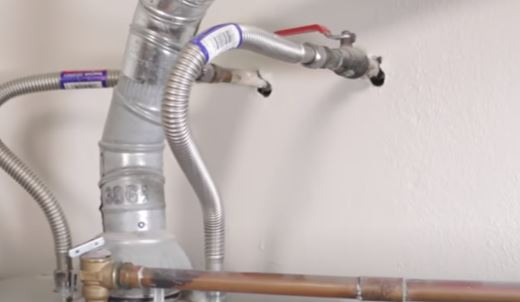
Your water heater, a silent hero in your home, can sometimes turn into a potential hazard. Understanding how to safely turn off a water heater is not only a crucial safety measure but also essential for maintenance tasks. We’ll provide a step-by-step guide, covering both gas and electric water heaters. By mastering this skill, you not only ensure the safety of your home but also contribute to the longevity of your water heating system.
a. Cut Power for Gas Water Heaters:
If your water heater leaks or needs servicing, here’s how to safely turn it off:
For Gas Water Heaters:
- Find the gas valve (usually near the bottom).
- Turn it to the “Off” position.
For Electric Water Heaters:
- Go to your breaker panel.
- Flip the dedicated water heater switch off.
Don’t Forget the Water Valve:
- Turn off the cold water line going into the heater.
Easy Maintenance Tips:
- Flush the tank yearly to remove sediment.
- Insulate your water heater to improve efficiency and save energy.
Properly turning off your water heater is crucial for preventing leaks, and overheating, and ensuring the longevity of the appliance.
3. Fixing Leaky Pipes (Without Calling a Plumber)

A leaky pipe doesn’t have to be a disaster. Here’s how to stop the drip until you can make permanent repairs.
What Causes Leaks?
- Corrosion
- Loose connections
- Freezing and thawing
- Tree root intrusion (for underground lines)
Quick DIY Fixes:
Epoxy Putty:
- Clean and dry the area.
- Knead the putty and apply it directly over the leak.
- Let it cure before turning the water back on.
Pipe Clamps or Wraps:
- Wrap a rubber patch or pipe repair tape around the leak.
- Use a clamp or zip ties to secure it in place.
Long-Term Tip:
These are temporary fixes, schedule a professional inspection for full pipe replacement if needed.
4. Stop a Running Toilet
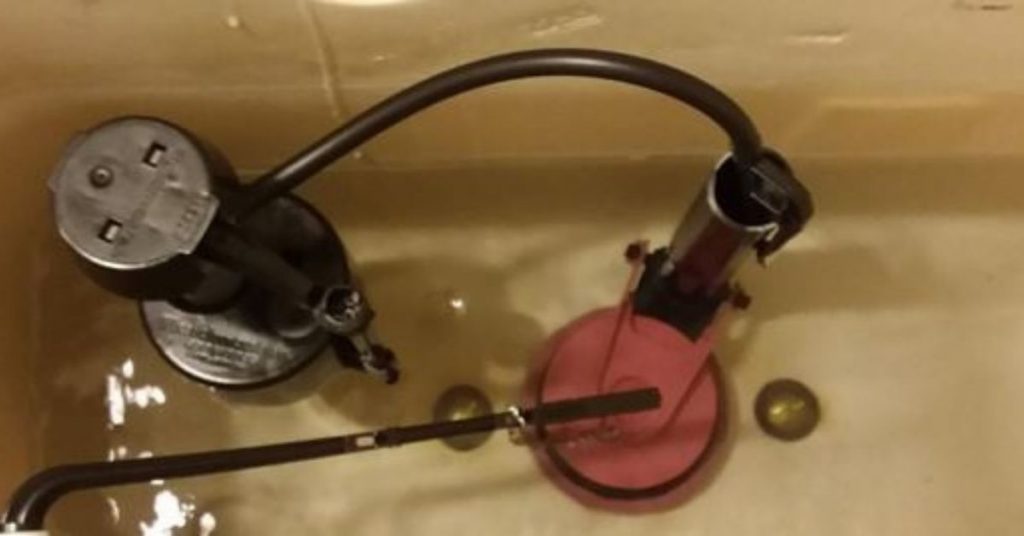
A running toilet is not only annoying but can lead to water wastage and increased bills. In this extensive segmeRunning toilets can waste hundreds of gallons of water a day. Here’s how to fix it in 10 minutes or less.
Step-by-Step:
- Check the Fill Tube: Make sure it’s connected to the overflow tube.
- Adjust the Float: Bend the float arm or turn the adjustment screw to lower the float.
- Check Water Level: The tank water should stop about 1 inch below the overflow tube.
- Replace the Flapper:
- Turn off the water and flush to empty the tank.
- Remove the old flapper and install a new one.
- Turn water back on and test.
Pro Tip:
Toilets are inexpensive to repair. Many fixes require no tools and take under 15 minutes.
5. Unclog Drains the Eco-Friendly Way

Skip the harsh chemicals! Here are natural and effective ways to clear a clogged sink, shower, or tub drain.
Try These First:
Plunger:
- Create a seal around the drain and plunge firmly.
Baking Soda + Vinegar:
- Pour 1/2 cup of baking soda down the drain.
- Add 1 cup of vinegar. Let it sit for 15 minutes.
- Flush with boiling water.
Drain Snake or Wire Hanger:
- Gently insert and pull out hair or debris.
- Be careful not to scratch the pipe interior.
Last Resort:
Use chemical drain cleaners sparingly, as they can damage pipes and harm the environment.
DIY plumbing doesn’t have to be intimidating. With a few tools, some basic know-how, and this guide on hand, you’ll be ready to tackle common issues like a pro.

