
Water heater damage catches homeowners off guard. You wake up to a flooded basement, soggy drywall, or a cold shower, and the first question most people ask is: does my homeowners insurance cover this?
The honest answer: sometimes. The difference between a covered claim and a denied one often comes down to a few details most homeowners don’t know until it’s too late.
Here’s what you need to know before you call your insurance company, or your plumber.
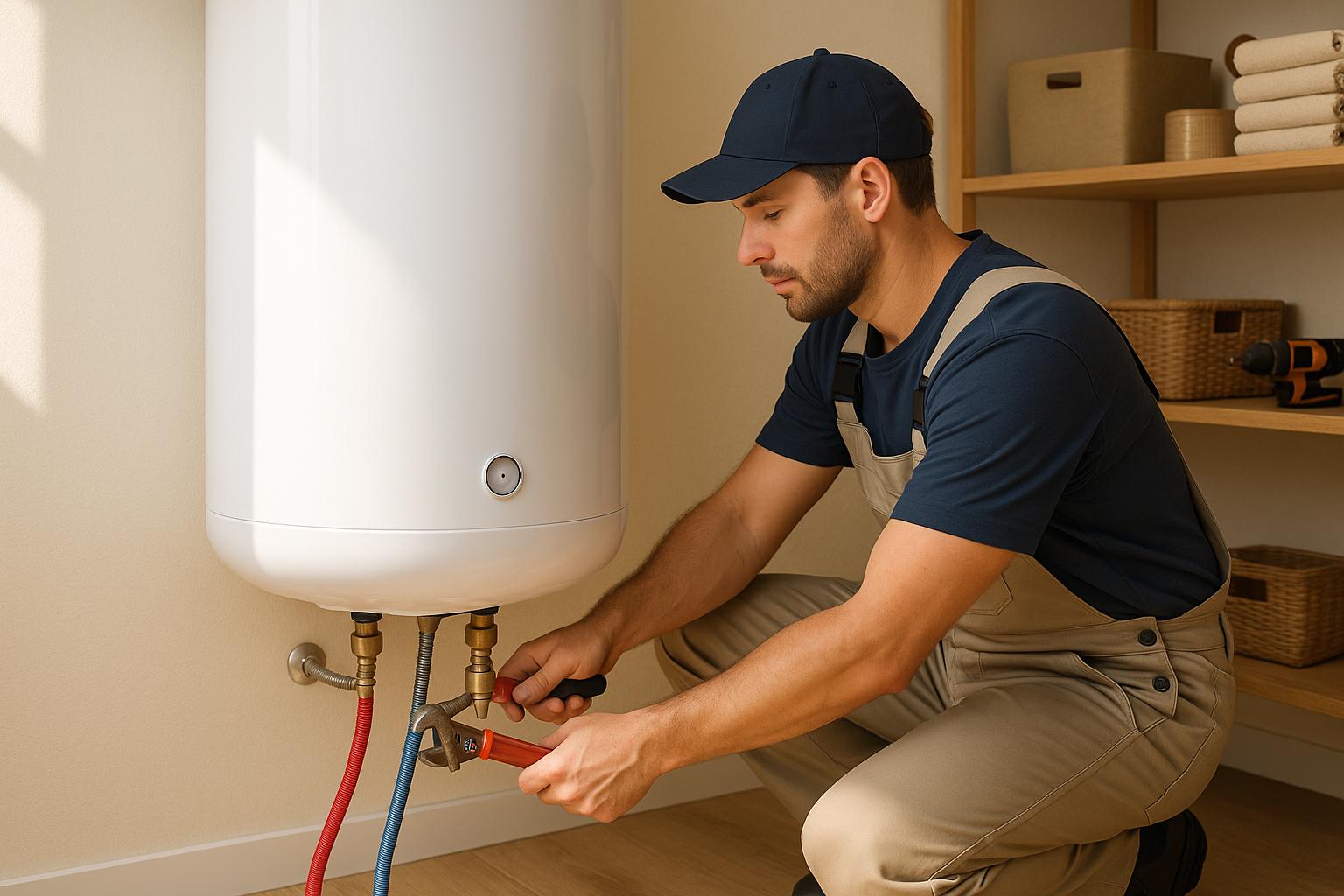
What Homeowners Insurance Actually Covers
Standard homeowners insurance covers sudden and accidental damage. That’s the critical phrase your adjuster will use, and the one that determines whether you get paid.
If your water heater unexpectedly bursts and floods your laundry room, your policy likely covers the resulting water damage to your home’s structure and belongings. The heater itself? Usually not, but the mess it makes often is.
Typically covered under homeowners insurance:
- Sudden pipe bursts originating from the water heater tank
- Water damage to floors, walls, ceilings, and personal belongings
- Fire damage caused by a gas water heater malfunction
- Explosion damage from a failed pressure relief valve
- Temporary living expenses if the home becomes uninhabitable
Not covered by standard policies:
- The water heater unit itself (appliances are excluded)
- Gradual leaks that developed over weeks or months
- Corrosion, rust, or mineral buildup damage
- Normal wear and tear or age-related failure
- Flooding from external sources (requires separate flood insurance)
Your policy protects your home, not the appliance that caused the damage. This distinction matters more than most homeowners realize until they’re standing in two inches of water.
The Critical Difference: Sudden Burst vs. Gradual Leak
This distinction can mean thousands of dollars. Insurance companies draw a hard line here, and it’s the number one reason water heater claims get denied.
A burst water heater, where the tank ruptures unexpectedly, is generally a covered event. Insurers treat it like a sudden plumbing failure: unforeseen, unpreventable, and compensable. Water damage to floors, drywall, and belongings falls under your dwelling and personal property coverage.
A slow, gradual leak is an entirely different story. If your water heater has been seeping for weeks or months, insurers typically deny the claim. Their reasoning: you had a reasonable opportunity to detect and fix it. Gradual damage signals neglect, not an accident.
Here’s the part that catches people off guard. Claims adjusters are trained to look for rust stains, mineral deposits, water rings, and discoloration around the base of the unit. These are telltale signs of long-term leaking. If they find them, expect denial, even if you just noticed the damage today.
Pro tip: Inspect your water heater every six months. If you spot early corrosion, slow dripping, or a damp floor around the base, address it immediately. Waiting converts a fixable problem into a denied insurance claim.
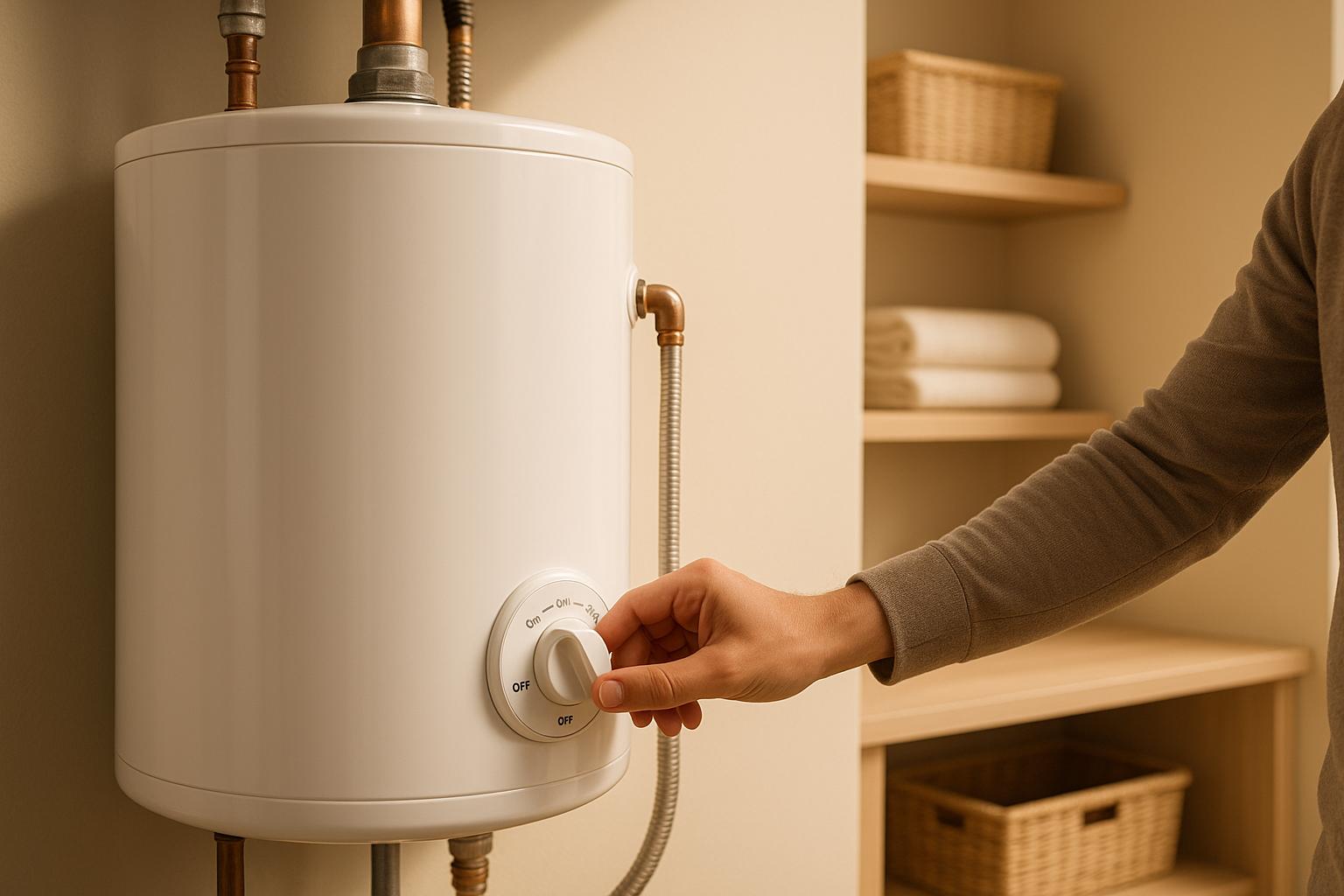
Does Homeowners Insurance Pay to Replace the Water Heater?
Usually no, and this is where most homeowners get blindsided.
Your water heater is an appliance, not a structural component of your home. Standard homeowners policies don’t cover appliance replacement from normal wear. What insurance pays for is the damage the heater caused, not the heater itself.
What a covered claim typically pays for:
- Professional water extraction and drying costs
- Drywall and flooring replacement
- Structural repairs to subfloor, framing, or joists
- Personal property (rugs, furniture, electronics) damaged by flooding
- Mold remediation if water sat long enough to trigger growth
Average homeowners insurance payout for water heater flooding: $6,000–$12,000 for moderate damage. That’s for the resulting water damage, not the heater replacement, which typically costs $900–$2,500 out of pocket depending on type and installation complexity.
If you want protection on the unit itself, you’ll need a home warranty or appliance protection plan, separate products from homeowners insurance, and the confusion between them costs homeowners real money every year. When replacing, compare options first with our tankless vs. tank water heater cost breakdown.
When to Call a Plumber First (Before Calling Your Insurer)
This sequence matters. Many homeowners call their insurance company first while the damage is still spreading. Don’t do that.
Do this first, in this order:
- Shut off the water supply valve to the heater, it’s on the cold water inlet line at the top of the tank
- Cut power or gas, flip the breaker for electric heaters; close the gas shutoff valve for gas models
- Remove standing water with towels, a wet-vac, or a mop, every hour you wait increases mold risk exponentially
- Document everything with photos and video before touching anything else, capture the heater, surrounding damage, water levels, and any visible corrosion
Once you’ve contained the damage, then call your insurer.
Why call a plumber before your adjuster arrives? Two reasons. First, a plumber confirms whether the failure was sudden and accidental (supporting your claim) or gradual (which won’t be covered). Second, their written diagnosis becomes third-party documentation, something adjusters weigh heavily when evaluating claims.
A plumber’s assessment letter can be the difference between a paid claim and a denial. Need emergency water heater help right now? Get a free quote from a local plumber before the damage spreads further.
How to File a Water Heater Damage Insurance Claim
The claims process is more straightforward than most people expect, as long as you follow the right steps from the start.
- Document the damage thoroughly. Photos, video, timestamps. Record the make, model, and serial number of your water heater. Note the exact date you first noticed the problem.
- Call your insurance company’s claims line. Have your policy number ready. Describe the event precisely, “sudden burst” carries very different weight than “I noticed a leak.”
- Get a plumber’s written assessment. Ask them to document the cause of failure on their invoice or in a brief letter. This third-party evidence strengthens your claim considerably.
- Schedule the adjuster’s inspection. Don’t make permanent repairs until after the adjuster visits. Temporary fixes to stop ongoing damage are fine, just document what you did and why.
- Get independent repair estimates. Your insurer may send their own contractor. You’re generally allowed to obtain separate estimates, having both on hand gives you leverage if the initial offer seems low.
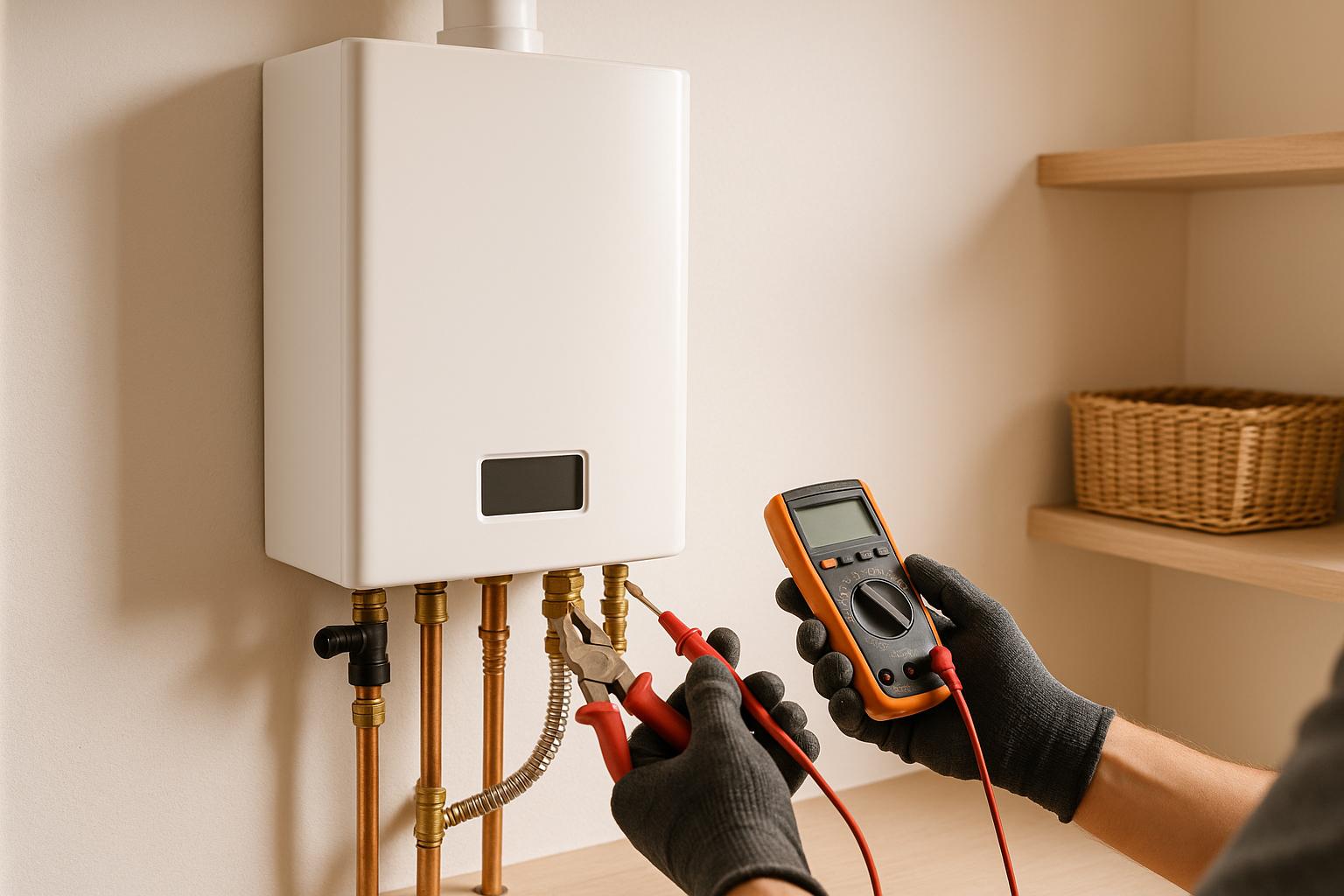
One important note: File claims strategically. Claims stay on your record for 5–7 years and can raise your premiums. If the damage is close to your deductible, calculate whether filing makes long-term financial sense. Here’s a full breakdown of water heater replacement costs if you’re weighing the decision.
Average Water Heater Insurance Claim Amounts
Water damage is one of the most common, and most expensive, homeowners insurance claims. These figures give you a realistic benchmark for what your policy might pay out.
| Damage Scenario | Average Insurance Payout |
|---|---|
| Minor water damage (localized) | $2,500–$5,000 |
| Moderate flooding from burst water heater | $6,000–$12,000 |
| Severe structural damage with subfloor involvement | $15,000–$30,000+ |
| Personal property loss (furniture, electronics) | $1,000–$5,000 additional |
| Mold remediation (water sat 24–48 hours) | $2,000–$10,000 additional |
The numbers grow fast when mold enters the picture. Water that sits untreated for 24–48 hours can trigger mold growth that multiplies remediation costs dramatically. Speed is your biggest financial asset after a water heater failure.
Documentation Tips That Protect Your Claim
Insurance companies deny claims based on missing documentation as often as they deny based on policy exclusions. Don’t hand them an easy out.
Before anything goes wrong:
- Keep receipts for your water heater installation and any maintenance calls
- Take dated photos of your water heater annually, before and after any service
- Note the installation date; older units face tighter scrutiny during claims reviews
When damage occurs:
- Photograph from multiple angles, including wide shots that show room context
- Record video with audio narration describing what you see and when you noticed it
- Screenshot the date and time on your phone within the frame of damage photos
- Save all receipts for emergency mitigation costs, wet-vac rental, fans, dehumidifiers
During the claims process:
- Log every conversation with your insurer, date, time, rep name, reference number
- Never accept verbal denials, request all decisions in writing
- If denied, request a written explanation citing the specific policy exclusion used
Service Line Coverage: The Add-On Worth Asking About
Here’s something most homeowners don’t know: you can often add service line coverage to your existing policy for $5–$15 per month.
This add-on covers the pipes and supply lines connected to your home’s appliances, including the supply line running to your water heater. If that line ruptures and causes flooding, this rider kicks in where your standard policy might not. It’s a small premium for meaningful gap coverage.
Not every insurer offers it, but a 5-minute call with your agent is worth it. While you’re planning ahead, see how water heater replacement costs vary by state, knowing your replacement cost helps you decide if a home warranty makes financial sense. And if you’re considering an upgrade, our guide to water heater tax credits shows how to offset a big portion of that cost.
Frequently Asked Questions
Does homeowners insurance cover a leaking water heater?
It depends on the type of leak. A sudden, unexpected burst is generally covered. A gradual leak that built up over time is typically excluded, insurers classify it as a maintenance issue, not an accident. The distinction is made during the adjuster’s inspection, which is why early documentation is so valuable.
Will homeowners insurance pay to replace my water heater?
No. Standard homeowners insurance covers water damage to your home’s structure and belongings, not the appliance itself. To cover the unit, you need a home warranty or a separate appliance protection plan.
How much does insurance pay for water heater flooding?
Average payouts range from $6,000–$12,000 for moderate flooding from a burst water heater. Minor localized damage pays $2,500–$5,000. Severe structural damage can exceed $30,000, not including mold remediation if water sat more than 24 hours.
Should I call a plumber or my insurance company first?
Contain the damage first, shut off the water and power or gas to the heater. Then call a plumber for a written diagnosis before your adjuster arrives. Their documented assessment of the failure cause is one of the most valuable pieces of evidence you can have in a claim.
Does homeowners insurance cover basement flooding from a water heater?
Yes, if it resulted from a sudden and accidental burst. Dwelling coverage handles structural repairs; personal property coverage handles damaged belongings. Standard policies don’t cover flooding from external water sources, that requires separate flood insurance.
Is mold from a water heater leak covered by homeowners insurance?
Sometimes, but only if the mold resulted directly from a covered sudden water event and you acted promptly to mitigate it. Mold from a long-standing leak or from failure to dry out a covered loss quickly is typically excluded. Act fast and document every mitigation step you take.
The Bottom Line
Homeowners insurance can cover water heater damage, but only if you understand the rules and move quickly when something goes wrong.
The biggest mistakes: waiting on a slow leak until it becomes a denied claim, skipping documentation in the chaos of an emergency, and not getting a plumber’s written assessment before the adjuster shows up.
If your water heater is over 10 years old, think proactively. A home warranty or service line coverage add-on fills the gaps your standard policy won’t. And if you’re weighing a replacement, check what today’s top water heater brands offer so you’re investing in a reliable unit from the start. New heat pump water heaters also qualify for a federal tax credit of up to $2,000 in 2026. For sewer line coverage, a similar gray area, our sewer line replacement cost and insurance guide explains what policies typically include.
Dealing with active damage right now? Shut off the water, document everything, and get a free quote from a local plumber immediately. The sooner you act, the stronger your claim, and the less damage you’ll be dealing with.
You’ve got this.